

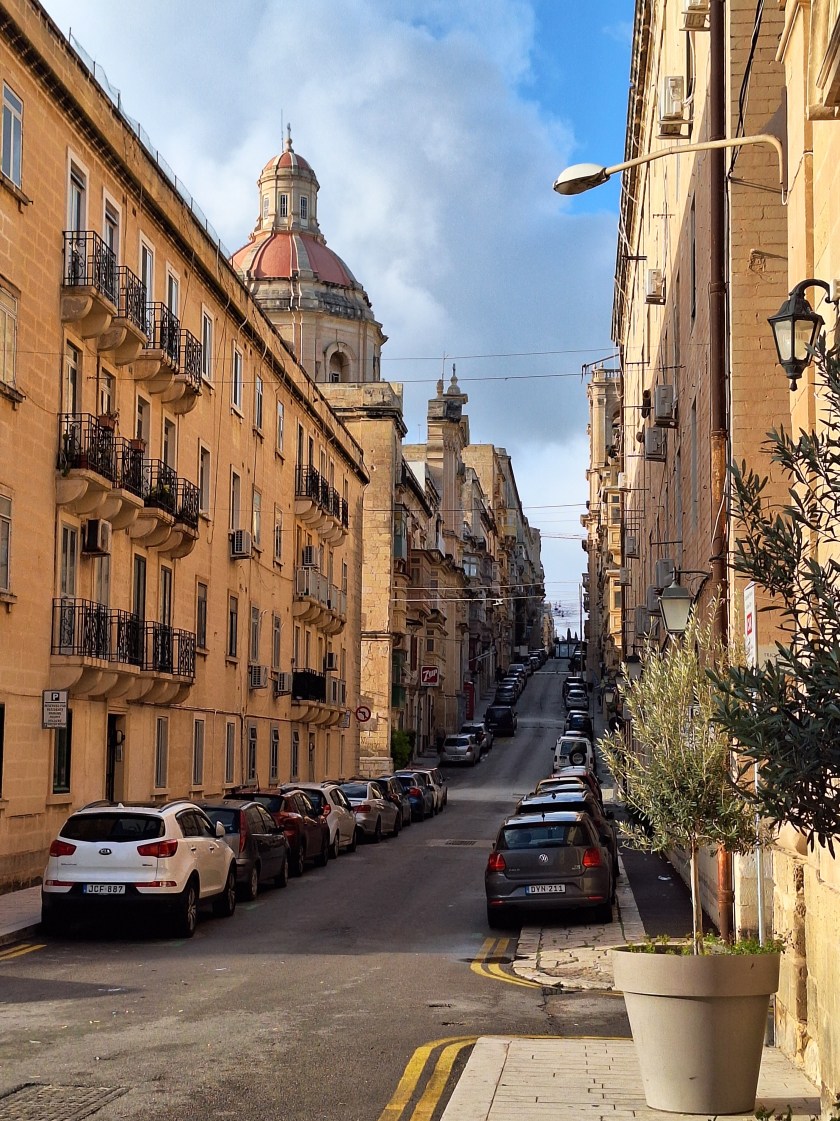
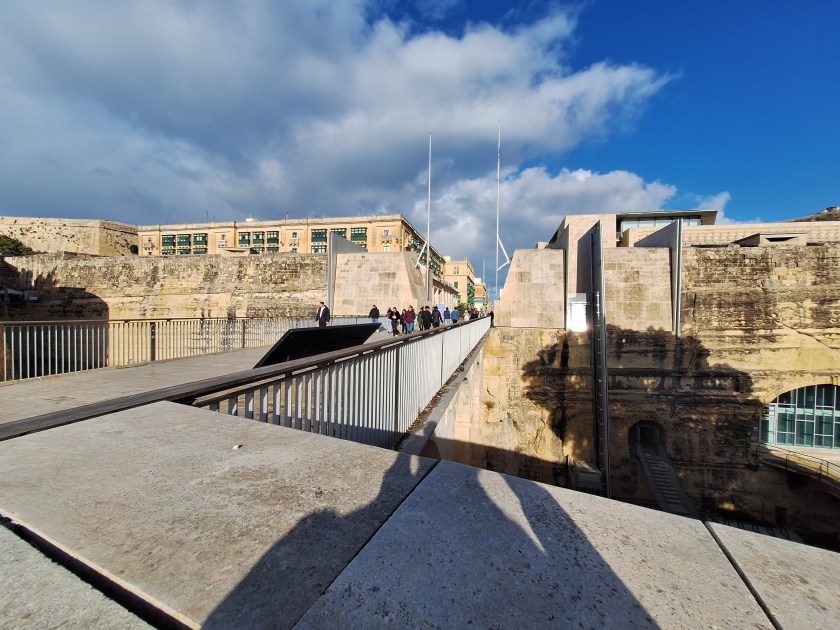
After a restful sleep I naturally awoke very early and excited about getting out and visiting all the sites Malta had to offer. Though first I grabbed a coffee and watched the sunrise on my balcony, figuring out my plan. Once I had taken in the scene and decided on the days activities I headed out of the hotel, across the road and onto the 13A bus to Valletta. The journey didn’t take too long and I was able to soak in the sites. The bus stopped next to the Triton Fountain and I made my way off and for another coffee! Then I walked through the gates of the city. I decided I would walk all the way down to the end of the peninsula to Fort St Elmo to orientate myself and then back up a different route to the Upper Barrakka Gardens. As it was still very early, and a Sunday morning, most shops were at this point still shut and the city was only just waking up meaning I was able to freely roam. Early starts are without doubt the best way to see a city before it fully wakes up in my opinion.
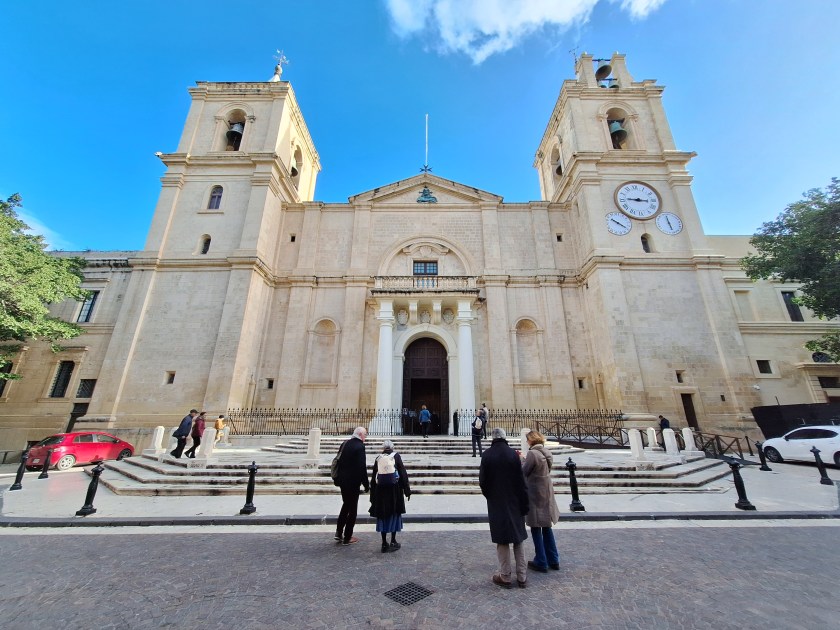
Having stretched my legs I decided to get some breakfast outside St Johns Co-Cathedral, and it was nothing short of the best fry up I have had outside of the UK, with the soundtrack of the church bells to go with. I finished up and resolved to see if I could go into the Cathedral which I was able to do for free. As there was a service on I quietly went and stood at the back with some other tourists. Being as respectful as possible during the communion I adhered to the ‘no photographs’ request, sadly I cannot speak for the other visitors! Having taken in the atmosphere and grandeur of the great site I resolved to return another day to explore fully and headed out before I got too frustrated with others taking pictures.
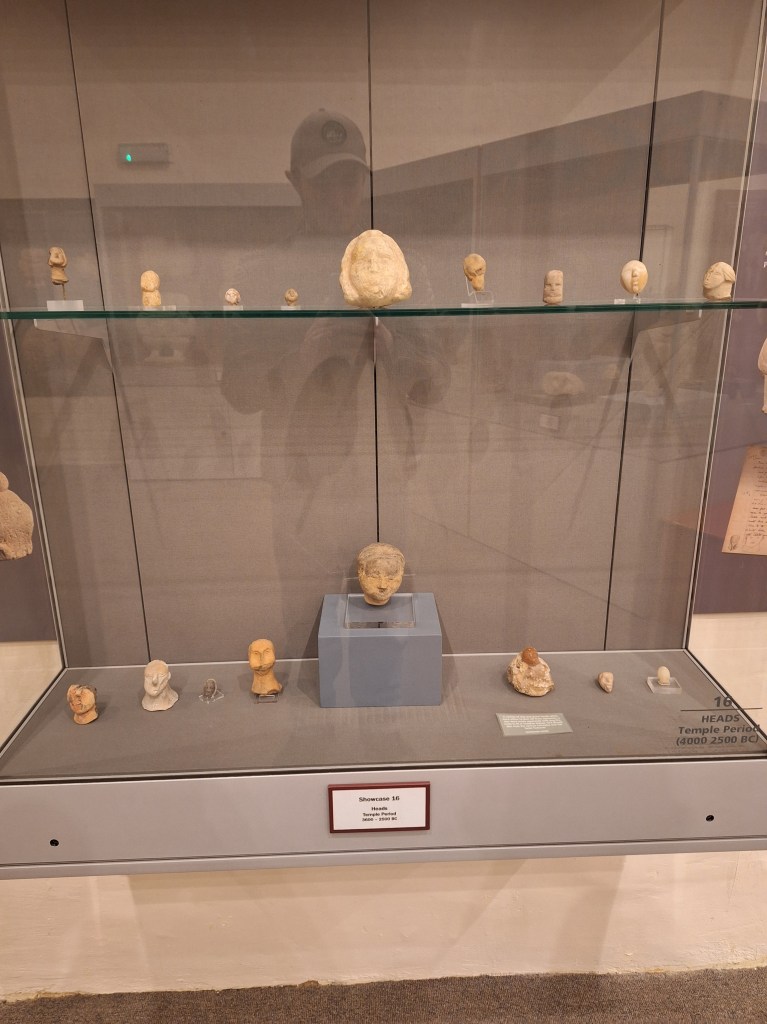
I continued my wander as the city began to spring to life and went to the Archaeological Museum. It was here that I decided to purchase the Heritage Malta pass, a link is below if you are visiting and would like to purchase. The pass gives access to 25 sites across Malta. For me there were two exceptions, the first was Underground Valletta that was closed for renovation and the other was Ħal Saflieni Hypogeum, which I could have visited, but requires you to book in advance due to its popularity. I had been in two minds on whether to purchase the pass as it was €60, but I managed to make the most of the pass throughout the trip so it was definitely a good buy. The museum was very interesting with exhibitions from all eras of the islands and many artifacts from the sites, especially the Neolithic sites that I later visited. https://heritagemalta.mt/store/c95/
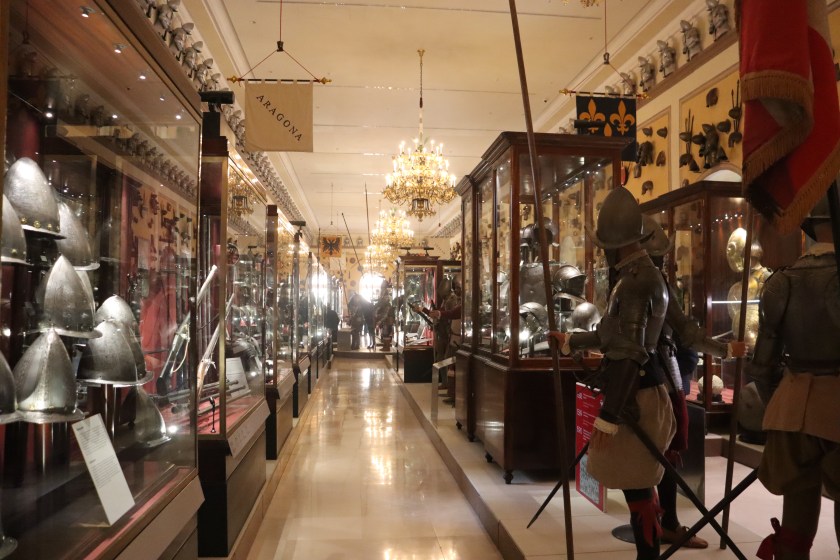
After the visit to the Archaeological Museum I continued on my wanderings to the Grand Masters Palace, the seat of the Maltese government. Walking around there were many historical and significant things to see including a rather large armory with relics from Malta’s history, much of which in regards to the Great Siege of Malta in 1565 there the Knights of St John along with the native Maltese defended the island from an invasion of the Ottomans.
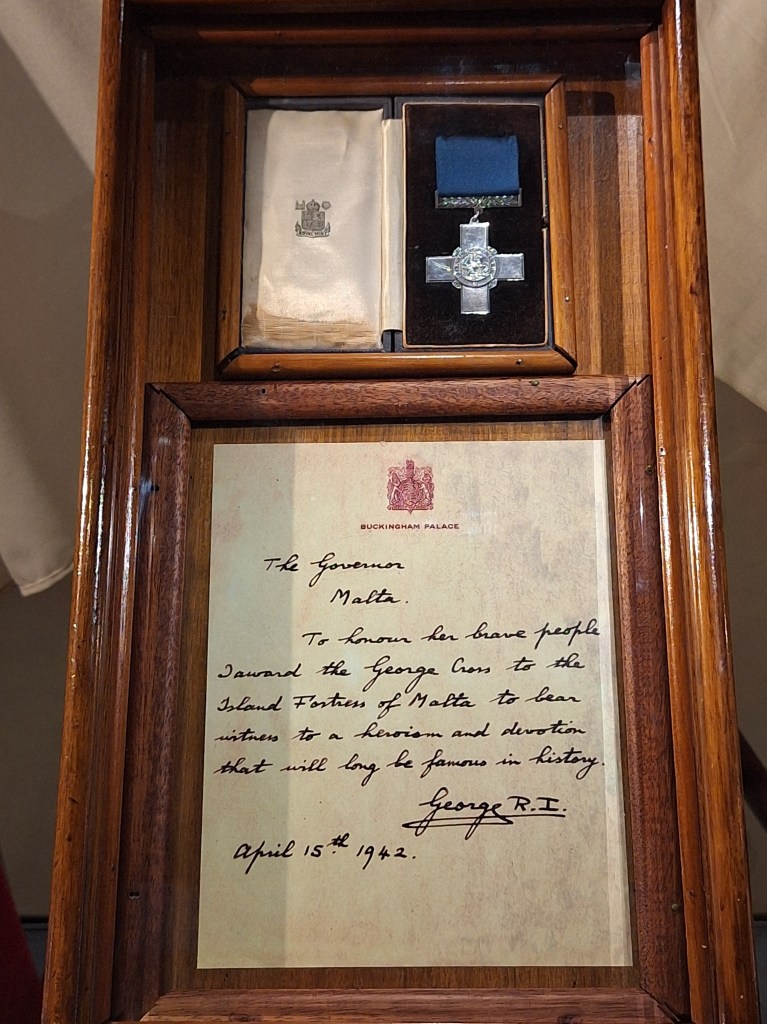
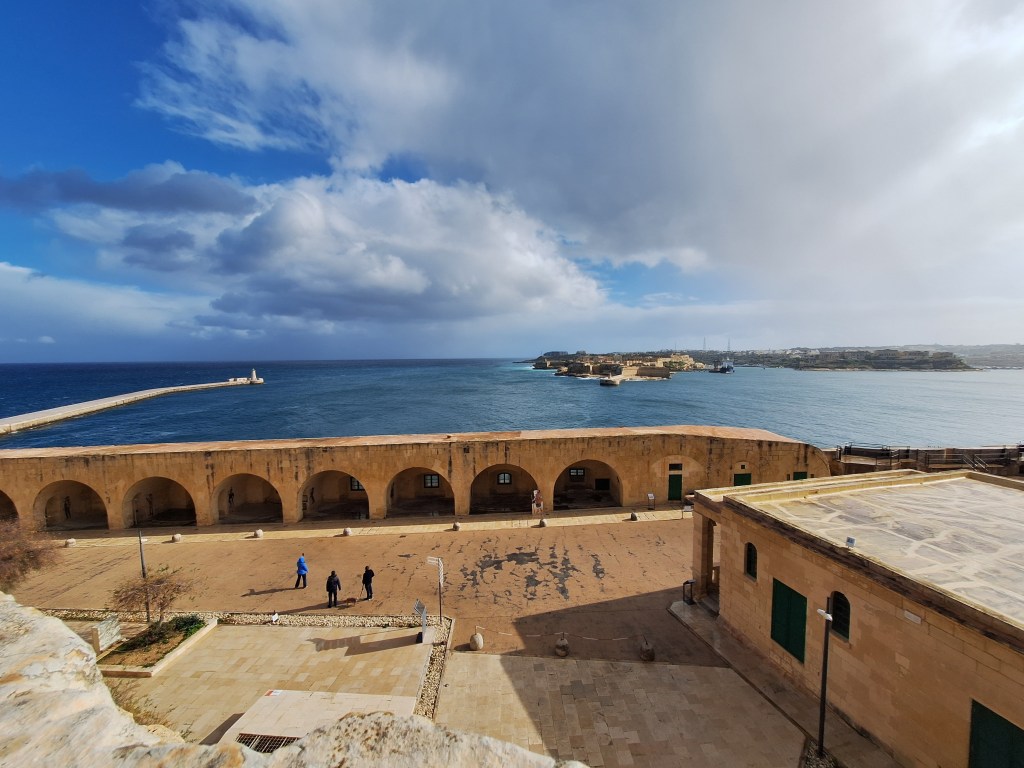
One of the major sites from the great siege was Fort St. Elmo which was my next stop as I walked back there and, as the fort was now open, I was able to wander the redoubt and explore. The fort is much bigger and more established than the one involved in the siege. In fact, it was after the siege, that Fort St. Elmo began its growth into what visitors can see today. Within the fort is a war museum that focuses on the fort’s history and its importance in World War II, along with the George Cross that was awarded to the entire nation of Malta for their contributions to the war effort.
Before it was established as a bastion of defense after the great siege it was only a small fort, but strategically positioned at the entrance of the Grand Harbor. There were roughly 6,000 defenders of which only 500 were Knights of St. John, the others made up of native Maltese, Spanish and Italian soldiers. In Fort St. Elmo there were only 100 defenders though a ferry system was set up by the defenders to assist them under the cover of darkness. The Ottomans in contrast had around 40,000 troops.The Ottoman forces that invaded the islands were commanded by two different leaders, Piyale Pasha in control of the naval assets and Mustafa Pasha the army. It was the Naval commander who insisted on taking the fort so he could berth the ships, this later proved to be an error as the Ottomans hammered into the small fort and were pushed back multiple times.
After the fort was finally taken, with the defenders killed almost to a man, the Ottomans refocused on Birgu with Fort St. Angelo on its peninsula and Senglea where Fort St. Michael stood. The Ottomans then went on to breach the walls of Birgu, however a perfectly timed raid from the inner islands city of Mdina on the Ottoman camp confused the attackers and they withdrew believing the island had been reinforced from Sicily. Birgu was saved and soon the reinforcements from Sicily did actually arrive. The Ottomans abandoned the island and the defenders were victorious. Although Elmo fell, it bought the time the defenders needed and ultimately saved the island.
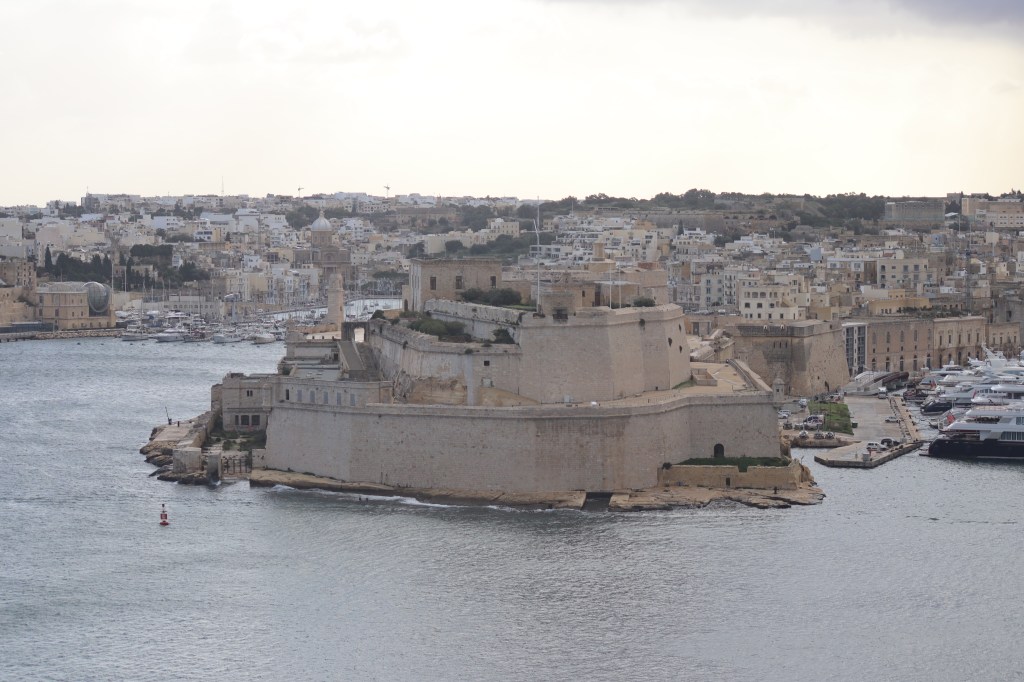
With the stout command by Jean Parisot de Valette from Fort St. Angelo, along with the sacrifice of the Elmo defenders and raids from Mdina, the island was saved and the city of Valletta was established, named in honour of the Grand Master who defended it. It was de Valette who began the construction of the much larger Fort St. Elmo seen today. After my fill of the famous site I ventured down to the Lower Barrakka Gardens then in search for the Church of St. Paul’s Shipwreck.
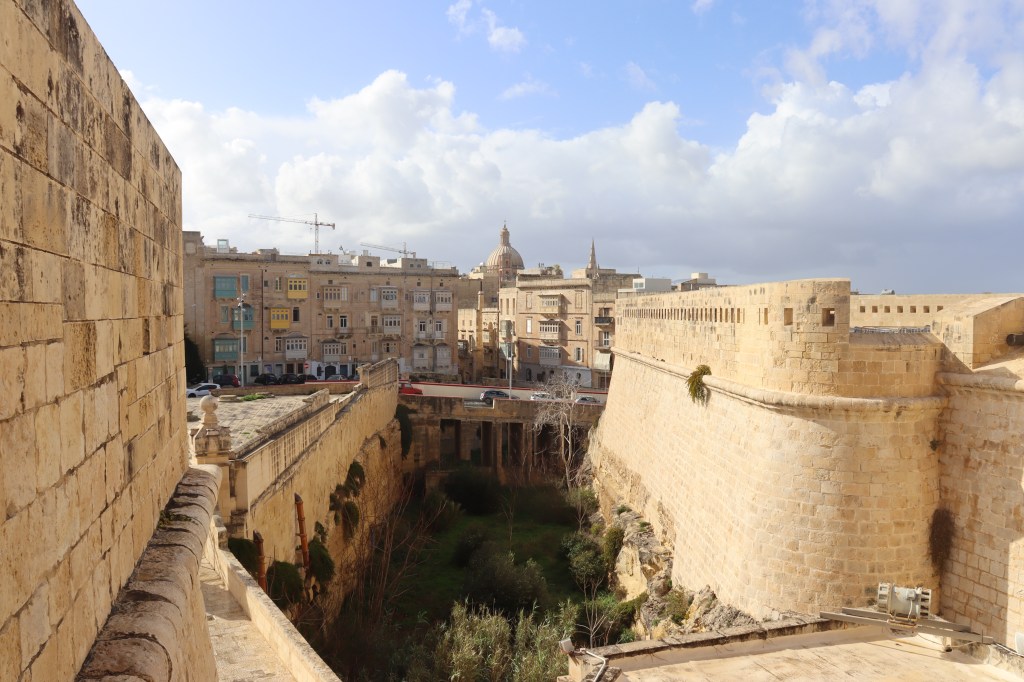
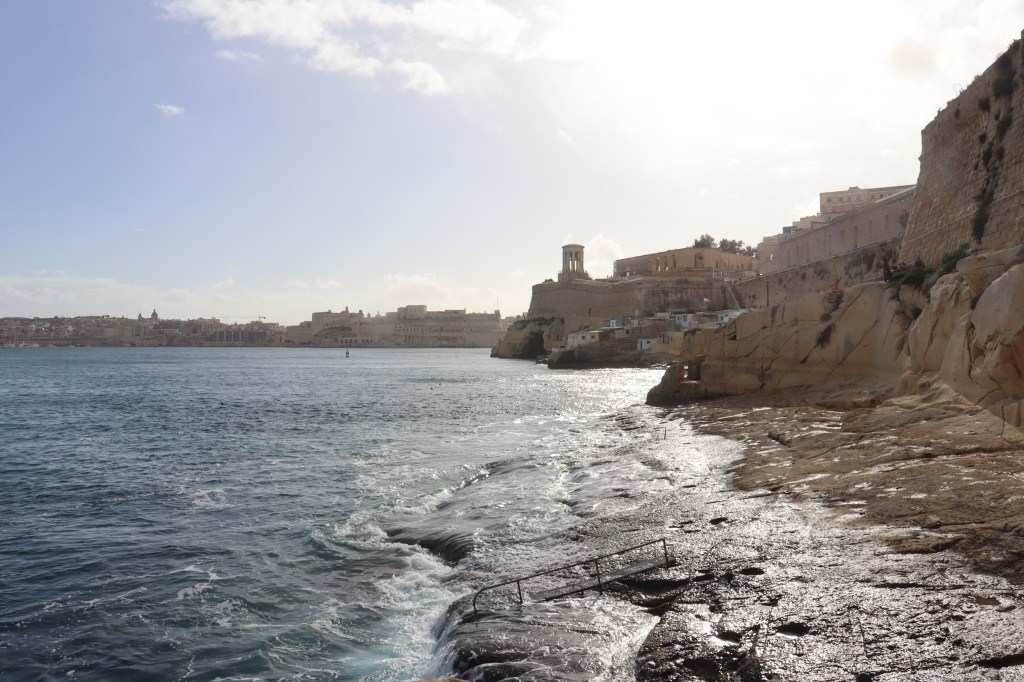
After some more wandering of the great city I decided to head back to the hotel after a long day. I headed to the ferry terminal to do the short jump across the harbor to Sliema, however due to the rough winds the ferry was not running and I resolved to bus back instead. A walk up to the station and a quick bus ride later I found myself back in Sliema. A long first day was over as I rested on the balcony as the sun set and planned my next adventure.
 195wanderer.com
One comment
Comments are closed.